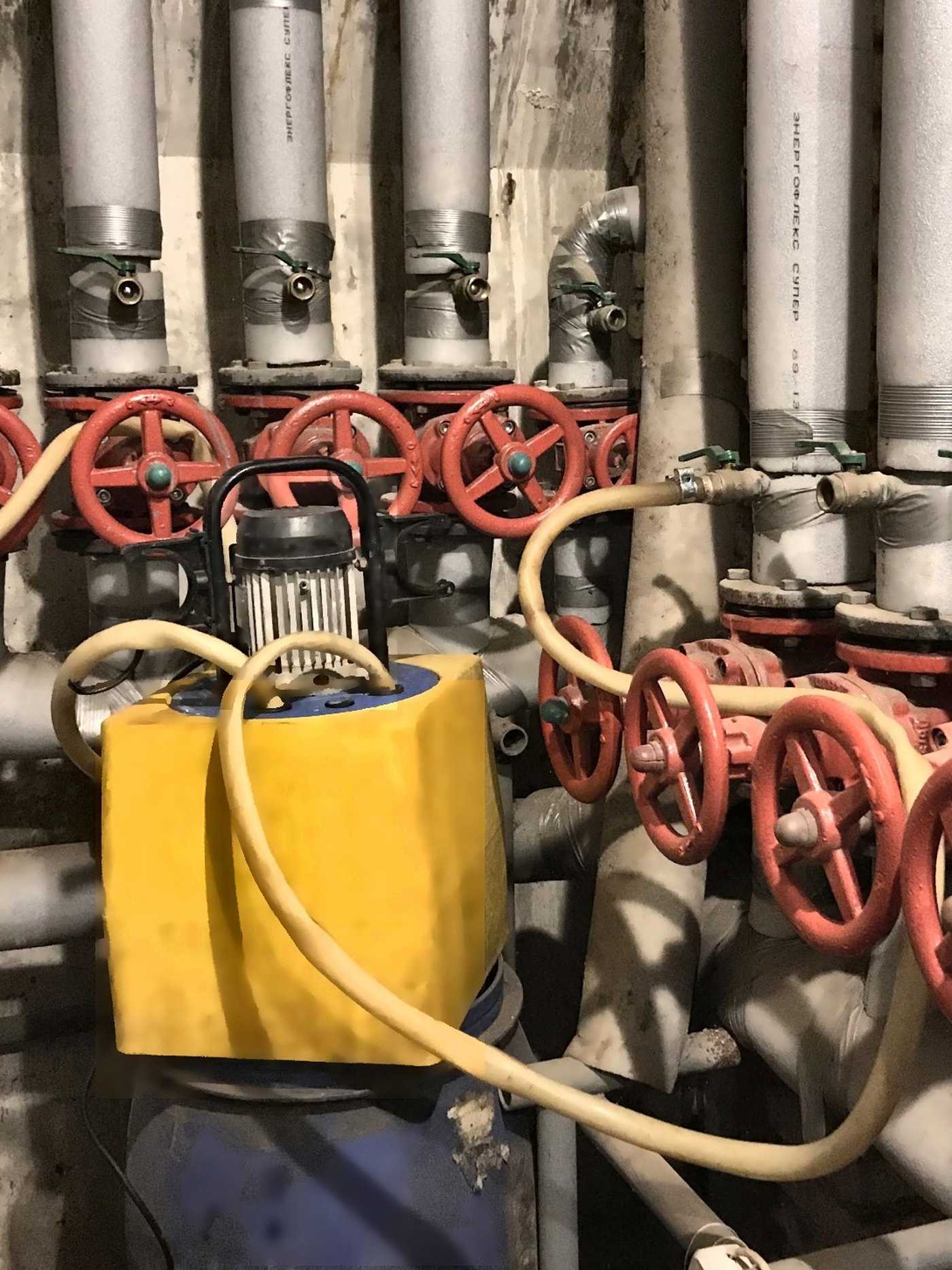
What does a water-powered backup sump pump cost installed?
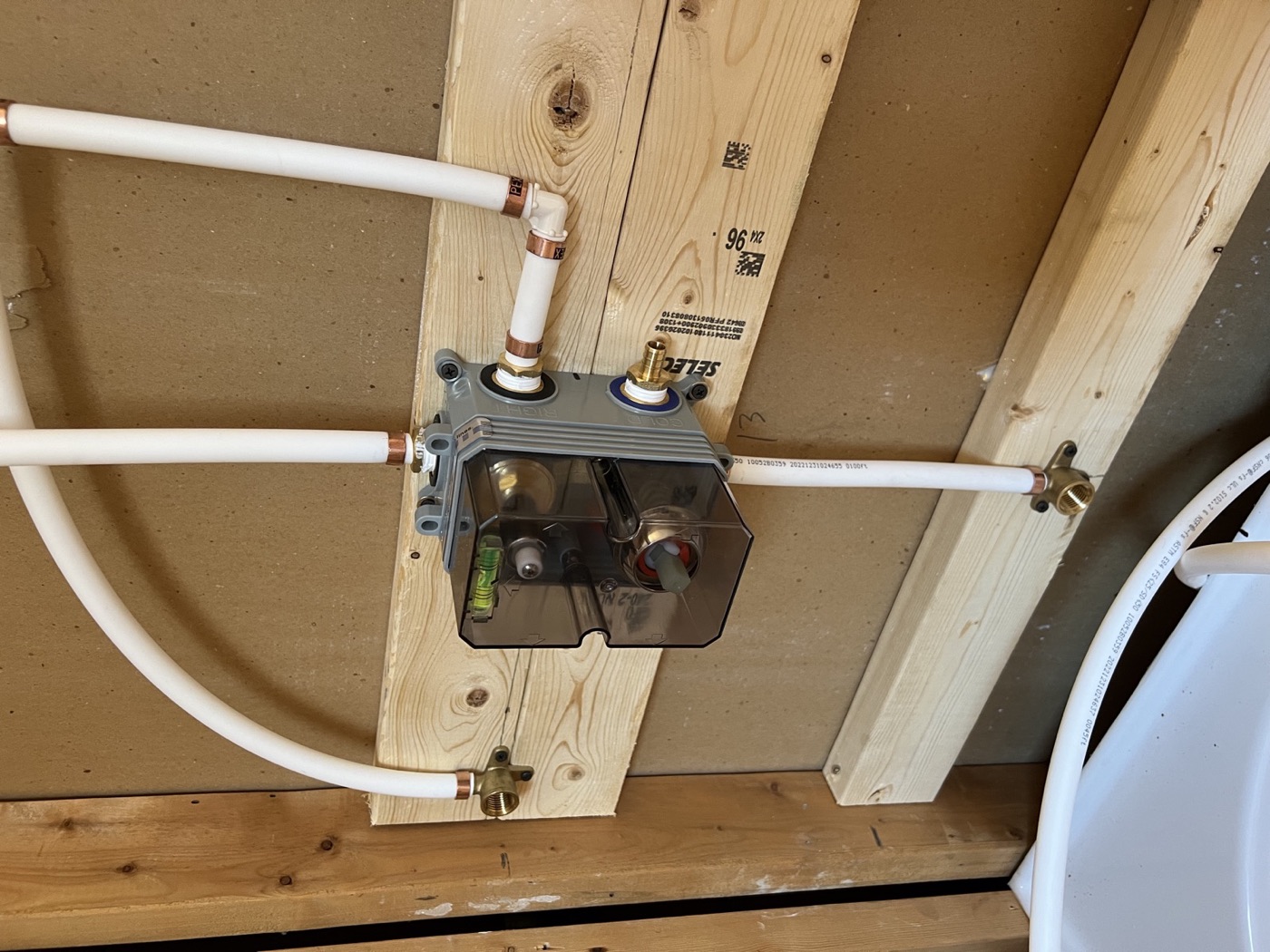
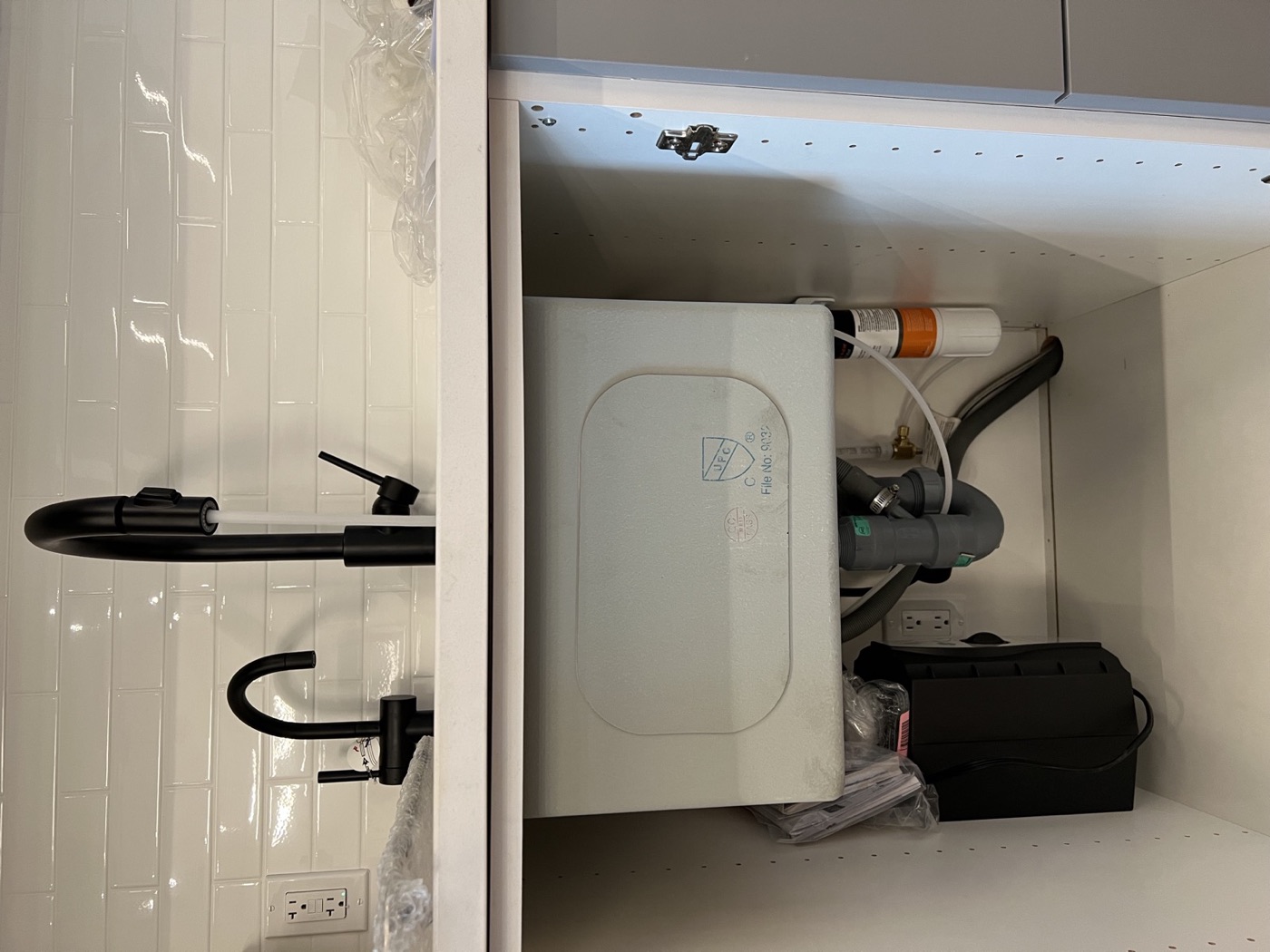
The unit itself — a Water Commander–class system — is around $750, and installation typically runs $1,200–$2,000 depending on your existing plumbing: the price climbs when a new water supply line or a dedicated discharge line has to be run. You get one fixed written price after a free assessment. Toronto’s subsidy can cover part of the total.
Water-powered or battery backup — which is better?
On city water, water-powered usually wins for the thing that matters most: runtime. A battery gives roughly 5–8 hours and fades as it drains; a water-powered unit runs on municipal pressure for as long as the outage lasts, holds a steady pumping rate, has no battery to replace every 2–3 years, and lasts 20+ years with a twice-a-year test. A battery still makes sense on a private well, or as a second layer alongside the water-powered unit.
Will a water-powered backup work at my house?
It needs two things: municipal water pressure and somewhere proper for the discharge to go. It is not the answer on a private well — the well pump dies with the power — unless the house has a generator. We confirm the pressure, the supply routing and the discharge run at the free assessment, before any price is on paper.
What does a backwater valve cost, and how much does the City pay back?
The install is a fixed price quoted after a free assessment, because it depends on where the line runs and how the floor has to be opened. On the rebate side, Toronto pays up to $1,600 per valve and up to $6,650 per property once a sump pump, battery backup and plumbing assessment are counted in. Vaughan covers half the invoiced cost up to $750; Richmond Hill up to $1,500.
Do I need a permit, and who takes it out?
Yes — a building permit and a plumbing inspection are both required, and the City will not pay the subsidy without them. We take out the permit and meet the inspector ourselves. It is the step homeowners most often get stuck on, and work done without it is what disqualifies a claim.
Backwater valve or sump pump — which one do I need?
It depends on the water. Sewage coming up through the floor drain is a sanitary backup and needs a backwater valve. Clean water seeping in around the floor is groundwater and needs a sump pump. Older streets on combined sewers often need both, and the subsidy covers both, so it is worth establishing which case you are in before choosing.
Do you offer emergency plumbing service?
Yes — we take urgent calls for burst pipes, sewer backups and active leaks. Most calls in the GTA are answered same-day; call (437) 559-9778 directly for the fastest response.
What areas do you serve?
We work across the Greater Toronto Area, including Toronto, North York, Scarborough, Vaughan, Richmond Hill, Etobicoke, Mississauga, Brampton, Oakville, King City and Aurora. See our full service area for details.
Are you licensed and insured?
Yes — all of our plumbers are fully licensed and insured, and we carry WSIB coverage with a Certificate of Insurance available on request for property managers and commercial clients.
How much does a service call cost?
Our standard service call is $170 + tax, which covers travel and the first hour of labour. Additional hours are billed at $120 + tax. Larger jobs — renovations, installs, backwater valves, sump pumps — are quoted as a fixed price upfront, and that estimate is free. Inspections — camera work, leak detection, pre-purchase reports — are billed at the rates above, because the result is the findings and the footage rather than a quote. If you go ahead with the repair, the inspection fee comes off your invoice. See our full pricing.
Do you work with property managers and commercial buildings?
Yes — we currently maintain 10+ residential buildings across the GTA, handling everything from emergency callouts to scheduled maintenance, turnovers and drain work. Buildings on a service agreement are billed $120/hr from arrival with no service-call fee and get 24/7 callout. See our property management and commercial plumbing services.
Is there a rebate for backwater valves or sump pumps?
Often, yes. The City of Toronto offers up to $6,650 per property through its Basement Flooding Protection Subsidy Program, and several other GTA municipalities run their own programs. See our rebate details for your area.
How do I know my sump pump needs replacing?
Three signs, and any one of them is enough. It cycles every few minutes instead of running once and shutting off — that is usually the float or the check valve. It runs continuously without the water level dropping — that is the impeller. Or it has simply got loud. Age matters too: most pumps are on borrowed time after seven or eight years, and the cheapest time to replace one is before a storm, not during it.
Do I need a battery backup, or is that an upsell?
It depends on one thing: whether losing the basement would cost you real money. The storms that fill a sump pit are the same storms that take the power down, so a mains-only pump stops at exactly the wrong moment. If the basement is finished, rented, or holds anything you would not want to throw out, a backup is the cheapest part of the job. Toronto pays up to $300 toward one. If the basement is bare block and a wet floor is an inconvenience rather than a loss, we will tell you that too.
What does a monitored or smart system actually do?
It watches the water level and the pump, and messages your phone when the level rises, when the pump runs longer than it should, or when it stops responding. It does not pump water — it buys you time. That is worth most to landlords, owners of second properties and anyone who travels, because the difference between finding a flood on day one and day nine is the difference between a mop and new flooring.
Can the city rebate cover the pump as well as the valve?
Yes. Toronto's programme pays up to $6,650 per property in total: up to $1,600 for each backwater valve (two allowed), up to $2,250 for a sump pump, $300 for a battery backup, $500 for a plumbing assessment and $400 for foundation drain capping. Both a permit and an inspection are conditions of it. We take out the permit, meet the inspector and hand you the invoice itemised the way the application asks for.